
What Are Hormone Pellets, and What Are the Alternatives?
Hormone replacement pellets are inserted in the fat layer under the skin. Pellets have become extremely popular among doctors and their patients because of their perceived convenience. However, pellets aren’t the right fit for everyone.
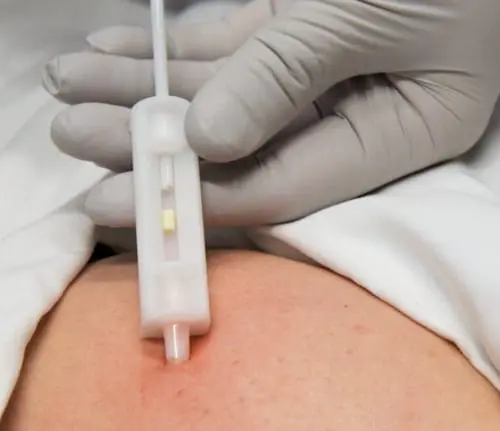
Hormone Pellet Therapy uses small rice-like pellets containing hormones implanted just under the skin. There, they release doses of hormones into the body.
A pellet is usually placed in the upper hip or buttock during a short in-office procedure. The provider numbs the skin, makes a small cut, and slides the pellet in. It then releases hormone slowly for roughly three to six months, and when it runs out, a new pellet is placed.
A hormone pellet therapy alternative is simply another way to take the same kind of hormone therapy: an injection or a cream or gel, and for women also a tablet that dissolves under the tongue, a pill, or a patch. The hormones and goals can be similar. What changes is how the hormone gets into your body, how often you take it, and how easily your dose can be changed. NuLife Institute doesn’t offer pellets. We use these other delivery methods as part of our hormone replacement therapy program in Miami.
Many people who search for pellets are looking for bioidentical hormones. Our page on bioidentical hormone therapy explains what “bioidentical” means.
Why Some People Look for Alternatives to Hormone Pellets
 Pellets work well for some people. Others find that a different delivery method suits them better. Common reasons people ask about other options include:
- The dose is set once the pellet is in. If your symptoms or lab results change, the dose can’t easily be raised or lowered until the pellet wears off.
- Removal isn’t simple. Once a pellet is placed, taking it out early takes another small procedure, so most people wait for it to dissolve.
- It’s a procedure. Each pellet means a small cut under local anesthetic, and a few days of care at the insertion site afterward.
- Levels can change over the months a pellet lasts. Hormone release tends to be higher at first and lower toward the end, and some people notice their symptoms come back before the next pellet.
- You want to start slowly or try something first. Some people prefer a form they can stop or adjust quickly while they and their provider see how they respond.
There is also no easy way to regulate your dosage if your needs change. Hormone Therapy is also not a one size fits all kind of solution. Each individual is different and can require different hormones or different combinations of hormones.
Whatever form you’re interested in, the first question is whether hormones are behind your symptoms at all. Tiredness, low mood, weight gain, and poor sleep can also come from thyroid problems, sleep apnea, medications, and stress, so we test before we treat. Men can learn more on our page about HRT for men, and women on our page about hormone therapy for women.
What an Alternative to Hormone Pellets Can Offer

At NuLife Institute, we offer those in the Miami area seeking hormone replacement therapies (HRT) other ways to take their hormones. Our clinic uses delivery methods other than pellets.
Every form has trade-offs, and none is right for everyone. Compared with pellets, people who choose another delivery method often value:
- Dose changes when you need them. Your provider can adjust your dose after follow-up labs, often within weeks rather than waiting for a pellet to wear off.
- No procedure for most forms. Gels and creams are non-invasive, and so are the tablets and patches available to women. Injections use a small needle but no incision.
- The option to stop or switch. If a form doesn’t suit you, or you have side effects, it can usually be stopped or changed quickly.
- A routine you control. Some people like a daily cream, others a weekly injection. You and your provider choose what fits your schedule.
How We Evaluate You for Hormone Therapy in Miami
Choosing a delivery method comes after we know what your body needs. Before anyone talks about injections or creams, we look at your symptoms, your health history, and your lab results. If you’ve had pellets before, tell us when your last one was placed and how you felt over the months it lasted. That history helps your provider plan your next step.
Set up a free consultation
Set up your free consultation with our Age Management Specialists to learn which options may suit you.
Lab testing and a doctor consultation
Your Internal Blueprint™ assessment, which includes lab work, is your first visit after the free consultation. Blood work checks your hormone levels and screens for other causes of your symptoms.
Choose your delivery method and start your plan
Together you weigh the forms that fit your labs, health, and routine, and agree on a follow-up schedule.
Hormone Pellet Therapy Alternatives We Offer in Miami
NuLife Institute offers several ways to take hormones. Your provider recommends a form based on your labs, the hormones you need, your health history, and your preferences. Here’s how they compare with pellets.
| Delivery method | How it’s used | Can the dose be adjusted? | Things to know |
| Pellets (not offered at NuLife) | Placed under the skin in an in-office procedure, every few months | Not once inserted; the next pellet can be changed | No daily routine; removal takes a procedure |
| Injections (men and women) | Into the muscle or under the skin, usually weekly or every couple of weeks; many people learn to do them at home | Yes, at follow-up | Levels can rise after a dose and dip before the next one |
| Creams and gels (men and women) | Applied to the skin, usually daily | Yes, at follow-up | Can pass to a partner or children through skin contact, so wash your hands and cover the area |
| Sublingual tablets (women) | Dissolved under the tongue, usually daily | Yes, at follow-up | Taken on a set schedule |
| Pills (women) | Pills or capsules taken by mouth | Yes, at follow-up | Used for some hormones and not others |
| Patches (women) | Worn on the skin and changed once or twice a week | Yes, at follow-up | Some people get skin irritation where the patch sits |
Women’s Hormone Pellet Alternatives
For women who are looking for HRT to treat perimenopausal or menopausal symptoms, we prefer these options:
- gels
- creams
- injections
- sublinguals
- pills
- patches
Progesterone is offered too.
We believe in the different options we use at our Miami-based hormone clinic. Gels and creams are non-invasive, and the dose can be changed as your symptoms and labs change. Our menopause treatment page covers menopause symptoms and care in more detail.
Men’s Alternatives to Testosterone Pellets
Men who need testosterone replacement therapy can also use creams and gels, or injections, instead of pellets. These are the two forms NuLife offers men. Our testosterone page covers the forms, dosing, and monitoring in detail.
How to Choose the Right Form With Your Provider
There’s no single right answer. These questions help you and your provider decide:
- Which hormones do your labs show you need, and which forms do they come in?
- Would you rather take something daily, weekly, or less often?
- Are you comfortable with needles, or would you prefer a cream or gel (or, for women, a pill, tablet, or patch)?
- Do you live with a partner or young children who could touch a cream or gel?
- Have you had side effects with a form before, including pellets?
Your provider explains the trade-offs of each option, and you can switch forms later if one doesn’t suit you.
Monitoring and Safety
Hormone therapy isn’t set once and left alone, whatever the form. After you start, your provider checks how you feel and repeats lab work at regular intervals, so your dose can be adjusted.
NuLife prescribes both compounded hormones and branded products, depending on the patient. Compounded means a pharmacy prepares the hormone for you. Compounded hormones are not FDA-approved, which means the FDA hasn’t reviewed them for safety, effectiveness, or quality. Your provider tells you whether your prescription is compounded.
Any form of hormone therapy can cause side effects. Tell your provider if you notice:
- Tiredness
- Weight gain
- Acne
- Increased facial hair (women)
- Headaches
- Breast tenderness
Some people also report mood swings or irritability during hormone therapy.
Hormone therapy isn’t right for everyone. People with certain cancers, blood clots, liver disease, or heart conditions, and women who are pregnant, may not be candidates. NuLife can only provide prescriptions or therapy to patients with a clinical need, confirmed through lab work, a physician consultation, and a medical history review.
What to Expect When You Switch From Pellets
First steps: a free consultation, then your Internal Blueprint™ assessment, which includes lab work.
If you have a pellet now: your provider usually plans the start of your new form around when your pellet is expected to wear off, using your labs to check where your levels are.
Your plan: a visit with your provider to go over your results, choose a delivery method, and learn how to use it.
First few months: every patient is different. Some people notice changes in sleep, energy, or mood within the first few weeks, while other changes take longer. Your dose may be adjusted after your first follow-up labs.
Ongoing care: regular check-ins and lab retesting keep your dose where it should be.
Results vary, and they depend on sleep, nutrition, and exercise as well as treatment. NuLife also offers diet and exercise programs to support your plan.
Why Patients Choose NuLife Institute for Hormone Therapy in Miami
NuLife Institute focuses on functional, integrative medicine and age management, and has worked with more than 10,000 patients. Our Miami clinic is led by Medical Director Frank J. Welch, M.D., with Janine L. Herrera, APRN-BC. Plans are based on your labs, with retesting, dose adjustments, and access to a patient care advisor and your provider. We offer several delivery methods, so your plan can fit your routine and change when your needs do.

Hundreds of Verified Five Star  Google Reviews
Hear what men are saying about NuLife Institute hormone therapy. Read the reviews and testimonials from real-life patients we help every day.
Certified by age management medical boards.

Common Questions About Hormone Pellets
Are hormone pellets safe?
Hormone pellets are generally regarded as safe when a qualified provider prescribes and monitors them, but they aren’t the right fit for everyone. One of the main drawbacks of hormone pellets is there is no easy way to regulate your dosage if your needs change. As with any minor procedure, there is a small chance of infection or irritation where the pellet is placed.
Are there alternatives to hormone pellet therapy?
Yes! Injections and topical creams and gels are alternatives to pellets for men and women, and women can also use sublingual tablets, pills, and patches. With these forms, the dosage can be adjusted rapidly and easily. Gels and creams are non-invasive, and your provider can help you choose a form that fits your labs and routine.
Are HRT creams better than pellets?
Neither is better for everyone. Hormone pellets vs creams are not one and the same. Unlike pellets, HRT creams allow for an alteration of dosage as needed. Creams need to be applied regularly, though, and can pass to others through skin contact. We’re happy to discuss the differences between hormone pellets vs creams at our Miami clinic.
Can hormone pellets be removed?
Technically they can, but once they are inserted, hormone-containing pellets are hard to remove. It requires a small in-office procedure, so most people wait for the pellet to wear off. If you’d rather have a form you can stop or change quickly, ask us about alternatives. Reach out to us today to learn more.
How soon will I notice a difference after switching from pellets?
It depends on your labs, the form you choose, and when your last pellet was placed. Some people notice changes within a few weeks, while others take a few months. Results vary.
How much does a hormone pellets alternative cost in Miami?
Cost depends on your lab work and the treatment your provider recommends. Your first consultation is free, and we go over the cost of your plan before you start.
Does NuLife accept insurance for hormone therapy?
NuLife Institute doesn’t accept insurance. Financing through CareCredit is available, and we go over costs at your free consultation.
Where can I find an alternative to hormone pellets near Miami?
Our Miami clinic is at Ten Museum Park, 1040 Biscayne Blvd, 8th Floor, Miami, FL 33132. Most local patients come in person for their first visit. Follow-up visits can be done by telehealth (phone or video), as long as your provider is licensed in your state.